Checklist For Home Heating Oil This Winter
For some, winter’s arrival signals the start of cosy evenings, familiar festive scents, and enveloping warmth to make the darker days feel brighter. But for many homeowners across Devon – especially those living off the mains grid – the colder months bring a different kind of anticipation. When your home relies on heating oil this winter, the shift to lower temperatures can mean extra checks, extra planning, and extra pressure to keep everything running smoothly.
Unlike grid-connected homes, off-grid properties must take a more hands-on approach to winter readiness. And the season doesn’t always make things easy. Cold snaps can freeze exposed pipework, condensation can build inside tanks, and demand spikes can see fuel levels drop faster than expected, while winter heating oil prices fluctuate in the background.
But with a little preparation, staying warm doesn’t have to feel stressful. Drawing on advice from our experienced team, this cold weather checklist highlights the simple steps you can take now to keep your heating oil system reliable, efficient, and ready for whatever the season brings.
Why winter fuel preparation is essential
Winter is a time when homeowners simply can’t compromise on heating oil delays. Whether you’re cooking festive feasts for the big family hurrah, hosting friends for back-to-back drop-ins, or simply soaking up some quiet and cosy days alone, your comfort relies on fuel without the fuss. But with energy usage spikes and chilly weather challenges, the likelihood of running out of heating oil or facing system pressures grows significantly – compounding an already busy season with last-minute stress. To secure a timely delivery of home heating oil this winter, it’s important to place your order well in advance. And this isn’t all that shapes a smooth winter system.
Six ways to winterproof your set-up
From keeping your tank in prime working condition to streamlining fuel deliveries and navigating winter heating oil prices, here are some of our experts’ top tips to keep your home heating oil running reliably all season:
Keep a close eye on fuel levels
Knowing how much heating oil for winter is required can be tricky, since usage patterns and household activity vary so drastically from one home to the next. As a guideline, we always recommend placing an order once your tank reaches one-third capacity.
This sweet spot helps you avoid running low during demand spikes, gives you a comfortable buffer during cold snaps and busier spells, and reduces the risk of condensation forming inside the tank. When moisture collects on the walls and drips into the oil, it settles at the bottom where it can encourage bacterial growth, corrosion, and sludge formation. Running the tank too low ultimately disturbs this sediment, leading to boiler inefficiency, blocked pipes, and unexpected heating failures right when you need warmth most.
If you prefer hassle-free monitoring, our CosyConnect remote tank gauge provides automatic level tracking and sends alerts when it’s time to reorder – so you never have to guess. The best bit? It’s available from only £7.95 per month, per tank.
Check the condition of your tank
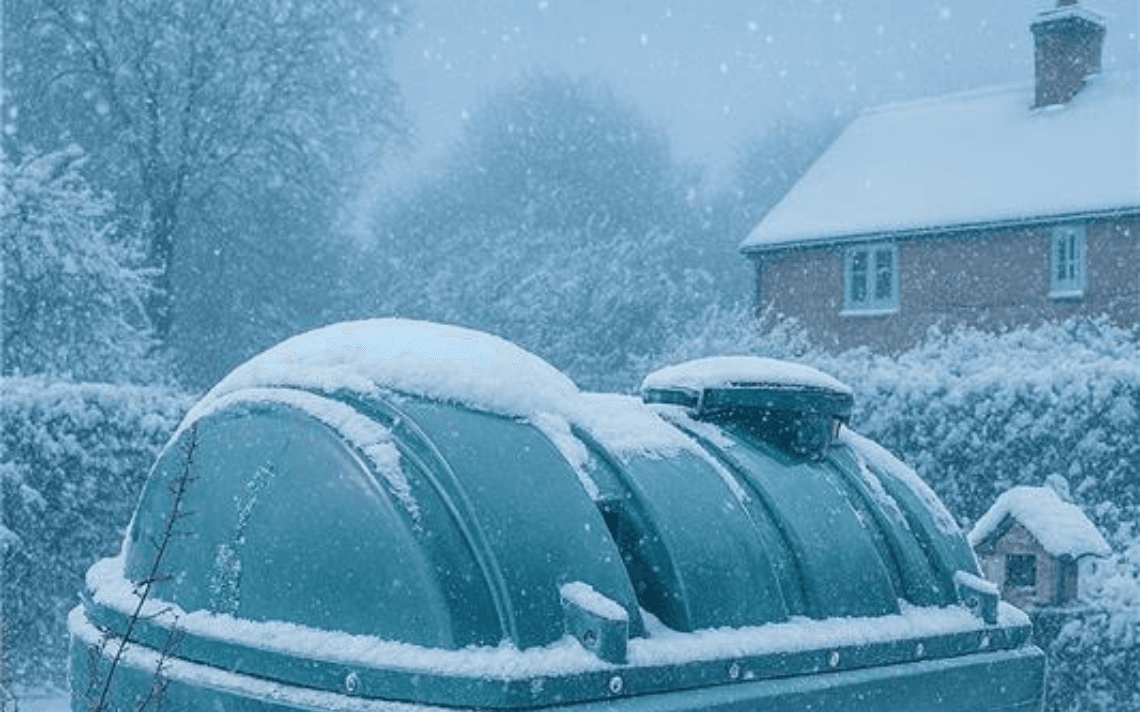
Winter can be unforgiving for oil tanks, and even small issues can quickly spiral if left unchecked. Cracks, bulges, or warped metal often appear when the tank material contracts in the cold or has been under long-term stress such as freezing. Inside, condensation can collect and drip into the oil, settling at the bottom and encouraging sludge or bacterial growth. You might notice cloudy oil, damp patches around the tank, or even an unusual smell lingering in the background.
Catching these signs early helps prevent performance issues in the thick of the season – especially when your heating system is working overtime. If you do see anything concerning, arrange a service promptly to prevent blockages and corrosion, minimising the cost and severity of remedial work and keeping system downtime to a minimum.
Insulate exposed pipes
It’s not only your tank that can feel the bite of winter – the pipes that carry oil to your boiler are often even more vulnerable. Those running outside, along unheated walls, or through chilly spaces like lofts and garages are typically the first to feel the cold. And even a short stretch of frost-prone pipe can restrict oil flow, making your heating system work harder and, in the worst cases, cause leaks.
The good news is, protecting them is simpler than you might think. Standard foam pipe insulation sleeves are ideal for most exposed runs, while self-adhesive foam wrap works well for awkward bends or short sections. For a temporary fix on minor surface cracks, pipe repair tape – such as silicone or butyl rubber tape – can seal small leaks until a professional can replace the damaged section. But deeper splits, bulging, or significant wear usually require prompt replacement, particularly on pipes feeding directly into your boiler.
Monitor your heating performance
Boilers, pumps, and radiators that seemed fine in milder months can start showing signs of strain once the cold sets in. You might notice radiators taking longer to warm up, rooms that never quite reach the right temperature, or unusual noises like gurgling or banging. These issues often stem from sludge building up in the system, trapped air, worn components, or even minor blockages in pipework. Pay attention to patterns too – if your heating seems less effective on particularly cold days, or after a period of heavy use, it could be a sign that your system is struggling under winter demand.
Addressing these problems early is key to maximising system performance. Booking a service before the deep cold arrives gives an engineer the chance to flush out sludge, bleed radiators, replace worn parts, and make sure everything is running efficiently. This not only prevents uncomfortable cold patches in your home but also reduces the risk of more serious breakdowns or emergency call-outs during the busiest and frostiest part of the year.
Clear critical access routes
Even the best delivery driver can be slowed down if the route to your tank is blocked, with frost, snow, fallen leaves, or overgrown shrubs turning a simple delivery into a multifaceted operation. By clearing gates, paths, and the area around your tank, you not only make life easier for drivers but also ensure your fuel arrives safely and on time. If you know a stretch is tricky to navigate, give your supplier a heads-up so they can plan the logistics in advance.
Spread costs with the Cosy Heating Club
Heating oil prices this winter face seasonal fluctuations as they do every year, due to factors such as rising global crude prices, increased demand over the colder months, and supply chain pressures affecting delivery schedules. But the season brings enough financial pressure without the added strain of a bulk energy bill. Our Cosy Heating Club offers a simple way to spread your annual fuel costs across manageable monthly instalments, helping you stay in control of your budget when festive expenses begin to stack up.
Beyond predictable winter heating oil prices, members benefit from regular support and a smoother approach to staying topped up – all designed to make heating oil feel less like a seasonal spike and more like a stress-free part of your routine. Plus, with a host of additional perks – including a priority five-day delivery service, lower minimum orders, free tank inspections, and reduced boiler servicing costs – members can enjoy greater peace of mind throughout the entire year.
How long does heating oil last in winter?
If you’re looking for a blanket answer to the question, ‘how long does heating oil last in winter’, we’re sorry to say you won’t find one. Usage varies drastically depending on the size of your home, insulation, the number of occupants, and how heavily heating and hot water are used – meaning two seemingly similar households can consume very different amounts over the same period. The safest approach is to plan well in advance, monitor your tank regularly, and top up before levels get too low. If you need help calculating your property’s usage, we’re only ever a phone call away.
Why choose Moorland Fuels for heating oil this winter?
For more than 20 years, Moorland Fuels has been delivering heating oil, expert advice, and dependable support to homes, farms, and businesses across Devon. Our team lives and works locally, which means we understand the region’s unique terrain – from narrow country lanes and exposed moorland roads to tucked-away hamlets that can be difficult to reach in severe weather.
With a fleet that includes agile baby tankers and vehicles designed for rural access, we’re equipped to deliver safely and reliably even when winter conditions are at their toughest. And, because we’re an independent, community-focused business, you’ll never be dealing with faceless call centres or automated systems. You’ll speak directly to people who genuinely care about keeping your home warm and running smoothly.
Whether you’re planning for a reliable delivery of home heating oil this winter, managing a sudden drop in fuel, or simply looking for guidance on preparing your set-up for the colder months, our team is here to help every step of the way. Get in touch – we’re ready whenever you are.