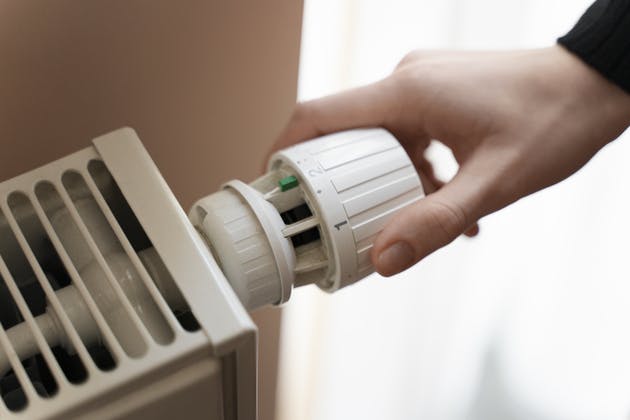
Can domestic heating oil freeze? Tips on managing fuel in colder weathers
Can domestic heating oil freeze? is one of winter’s most burning questions for homeowners when the chillier temperatures creep in. The challenge isn’t simply retaining comfort through sub-zero months, but avoiding the costs and headaches associated with heating issues too.
Here, we explain how fuel behaves throughout cold weather snaps, symptoms to look out for in your home heating system, and how to remedy the risks to stay warm and free of worry.
Can heating oil freeze in winter?
In practical terms, heating oil can’t freeze completely – as in, it won’t fully solidify. However, it can thicken enough to cause problems with your tank.
Heating oil contains natural paraffin wax. As temperatures fall (typically around -5°C or below) this wax begins to crystallise. Over time, these crystals make the oil cloudy, viscous, and, eventually, gel-like in consistency. During prolonged cold spells or repeated freezing nights, this thickened oil can struggle to pass through filters and pipework efficiently. With nowhere to go, it then begins to settle as sludge in the bottom of your tank, causing the system to lose efficiency or break down completely.
Importantly, problems don’t usually arise from a single cold night. The risk increases when low temperatures persist over several days or nights, especially when there’s little daytime warmth to let the fuel thaw and flow freely. This is why heating oil issues often emerge partway through a cold snap, rather than at the very start.
How cold weather affects domestic heating systems
Once heating oil begins to thicken, the impact is usually felt at the most sensitive points in the system. Filters are particularly vulnerable, as wax crystals can collect and restrict flow. Burners may then struggle to ignite properly, causing boilers to lock out or shut down intermittently.
Boiler lockouts can be alarming, but they’re often a protective response. Modern systems are designed to shut down when fuel supply becomes unreliable, helping to prevent further damage to internal components. While it can be inconvenient, this is usually a sign of restricted fuel flow rather than a major mechanical fault, meaning there’s still a chance to intervene and prevent the risks from escalating
A question we’re often asked by homeowners is: can heating oil pipes freeze?. While the pipes themselves rarely freeze, the oil inside exposed or poorly insulated pipework can become thick enough to block movement entirely. This is why cold-weather problems are more common in systems with above-ground tanks or long external pipe runs. The result is often a boiler that won’t start, cuts out unexpectedly, or fails to maintain consistent heat – particularly during extended cold spells.
When is the risk highest?
Cold-weather-related heating oil issues are most likely during:
- Prolonged periods of sub-zero temperatures
- Consecutive freezing nights with little daytime thaw
- Sudden cold snaps following mild weather
Low fuel levels also increase the risk significantly. A partially empty tank contains more air, which cools faster and accelerates wax formation. This is why winter heating oil preparation is just as important as reacting to the weather itself. It’s also one reason why our experts recommend keeping your tank at least one-third full at all times, with our CosyConnect remote monitoring tool helping to keep track of fuel levels.
Certain homes may be more exposed to cold temperatures than others too. Rural properties, homes in elevated or wind-exposed locations, and systems with older tanks or pipework can experience the effects of winter weather more quickly. Holiday homes or properties that aren’t heated consistently throughout the year may also face a higher risk if oil sits unused during freezing conditions.
Practical ways to reduce the risk of thickened oil
Most domestic heating oil issues linked to cold weather are avoidable with simple winter preparation. The most effective preventative steps include:
- Keeping your tank topped up to reduce temperature fluctuation inside the tank
- Insulating exposed pipework and tanks, particularly those situated above ground
- Using a heating oil additive to prevent freezing (added before cold weather arrives)
- Ensuring filters are clean and servicing is up to date ahead of winter
Topping up early is particularly important during winter. Cold weather often leads to higher demand and delivery schedules can fill quickly, so planning helps avoid running low at the worst possible time. Similarly, heating oil additives work best when introduced before temperatures drop, helping prevent wax crystals from forming rather than trying to resolve problems after they’ve started.
What to do if your heating oil has already thickened
If your heating stops working during cold weather snaps, repeatedly resetting the boiler can sometimes make matters worse. Thickened oil needs time – or a change in temperature – to naturally return to a free-flowing state.
If you suspect gelling:
- Check whether other oil users nearby are experiencing similar issues
- Look for signs of restricted flow, such as blocked filters, frequent pressure drops, uneven performance, and black smoke or sooty residue around the combustion area
- Allow temperatures to rise naturally if milder weather is forecast
It’s also important to avoid DIY fixes or adding unapproved substances to your tank, as these can damage components or create further issues. If the problem doesn’t resolve as conditions improve, professional support may be needed to restore safe and reliable operation. Ultimately, by acting early, you can prevent a temporary issue from becoming a longer (and more costly) disruption.
Retain control of your comfort in the colder months
So, can heating oil freeze in winter? Not solidly, but it can thicken enough to cause problems with your home heating system if you’re not prepared. By implementing the right preventative measures and understanding the biggest warning signs to watch out for, you can curb costs and complexities while keeping warm troughout winter months.
As a proud employee-owned business with more than a decade of experience, Moorland Fuels supports domestic customers across Devon and South West England with practical guidance, reliable supply, and flexible options designed to reduce stress during winter. And, with tonnes of additional perks available via The Cosy Heating Club – from predictable monthly payments that smooth costs across the colder months to tank freebies and servicing discounts – there’s plenty more in store.
Want additional expert guidance on protecting your home heating systems and minimising winter pressures? Get in touch today.